
Keeping Your Timber Fence Standing Straight in Canterbury Weather
Wind, wet winters and dry summers all pull at a timber fence. Here is what to watch for — and when to call for help.
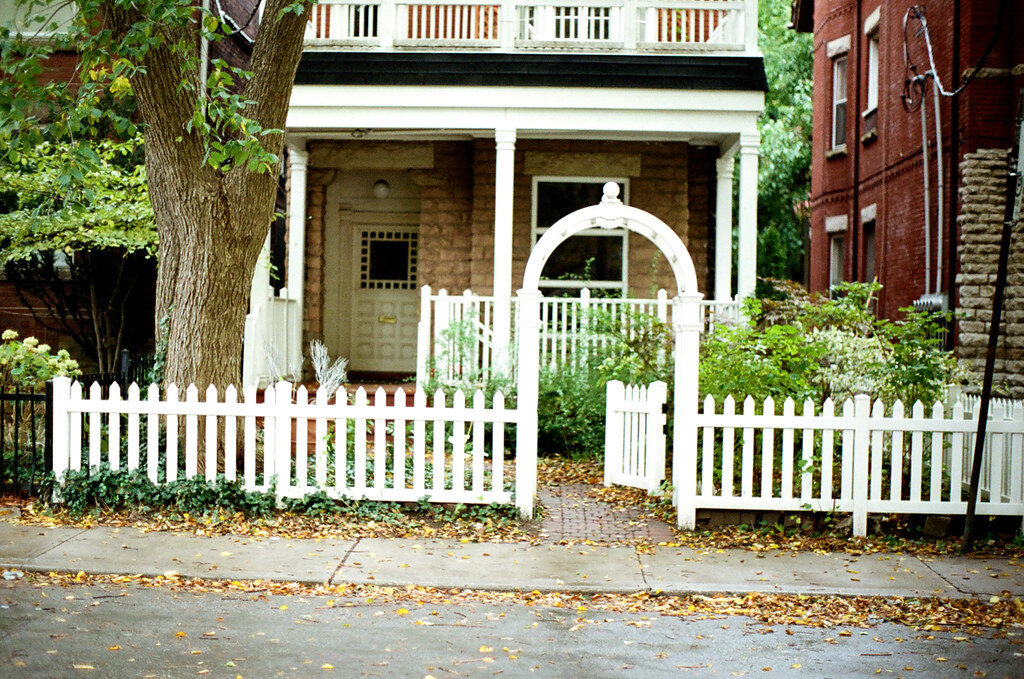
Canterbury is honest weather for fences: it finds every weakness. The nor'wester pushes sideways for days at a time, winter soaks the ground around every post, and summer dries timber until it cups, splits and pulls its fixings. Most of the leaning fences you see around Rolleston did not fail overnight — they gave plenty of warning first. This guide covers what to look for on your own boundary, what you can safely do yourself, and when it is time to call your local fencing handyman.
Start at the ground: posts decide everything
Nine fences out of ten fail at soil level, where moisture, soil contact and time conspire against timber. Walk your boundary twice a year — autumn and spring are ideal — and give every post a firm push at about waist height. A sound post barely moves. A post that flexes, or that you can rock in its hole, is telling you its buried section is rotting away. Look closely where the post meets the ground: softness, flaking, fungal growth or soil piled up against the timber (garden beds are classic culprits) all shorten a post's life dramatically.
Keep soil, mulch and lawn clippings pulled back from post bases so air can circulate, and make sure ground levels have not risen over the years — paths and gardens have a habit of creeping upward. If a post is starting to go but the rails and palings above are sound, that is a textbook repair job: dig out the failed post, set a new one deep and plumb, and re-fix the existing rails. There is no need to rebuild a whole run for two tired posts, and any honest tradie will tell you so.
Rails, palings and the wind test
Above ground, wind is the enemy. Check rails for splits at fixing points — nails driven too close to the end of a rail will split it the first time a gale works the fence. Look for palings that have cupped or pulled away from the rail, leaving a gap that catches the next gust like a sail. A paling or two is a cheap, quick replacement; left alone, one loose paling overloads its neighbours and a ten-minute job becomes a ten-metre rebuild after the next storm.
Gates deserve their own inspection every time. Open and close each gate slowly and watch the hinges: does it lift, drop or drag? A dragging gate is usually hinges working loose or a post starting to lean — both far cheaper to fix now than after the gate twists out of square. Keep hinge screws tight, make sure the latch meets its catch cleanly, and clear gravel or soil that has built up under the swing. If you are weighing up fence repairs versus a rebuild, gates are often the deciding factor: straight posts and sound rails with a tired gate almost always mean repair.
Finishes that actually protect
Stain and paint are not just cosmetic on a Canterbury fence — they are the weather shield. Bare timber greys off, checks and soaks up winter rain, then shrinks and splits through summer. A sound coating system keeps water out and the sun off, and it makes problems visible early: flaking stain often marks the exact spot where moisture is getting in behind. Wash the fence down before recoating, let it dry properly, and never paint over green growth or loose, powdery timber and expect it to hold.
Pay special attention to the tops of posts and the end grain of rails and palings — end grain drinks water. Post caps are cheap insurance, and keeping the tops sealed is one of the highest-value maintenance jobs on any timber fence. Our painting approach applies here too: preparation decides the result, and two careful coats beat three rushed ones every time.
When to call a handyman
Call when posts move in their holes, when a run leans more each month, when gates no longer meet their latches, or when storm damage has taken down a section. A photo and a rough length sent to 027 592 9582 lets us arrive with the right materials and give you a fair price on the spot. Small jobs are genuinely welcome — replacing a handful of palings or re-hanging one gate is exactly the sort of “no job too small” work we do every week across Rolleston and Selwyn.
And if the fence is sound but the rest of the section needs attention, it is worth bundling: letterbox building, clothes line installation and general household repairs can often be handled in the same visit. One call sorts it — that is the whole idea.