
Why Wall Prep Matters More Than the Paint
The topcoat gets the glory, but stopping, sanding and priming decide whether paint lasts years or months.
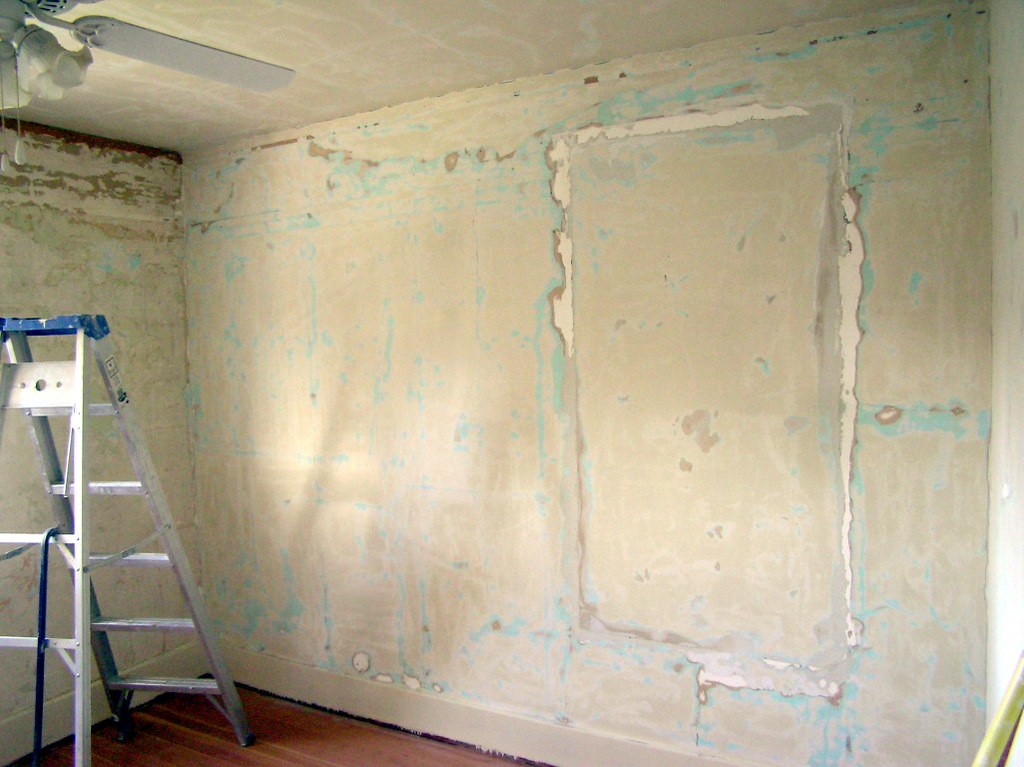
Ask anyone who paints for a living what matters most, and you will get the same answer every time: preparation. The colour on the chart is the fun part, but paint is brutally honest — it shows every dent, crack, patch edge and missed sanding mark underneath it, and it magnifies them. Around Rolleston and Selwyn we see plenty of rooms where good paint went onto bad prep and failed within a season or two. Here is how to get the order right, whether you are doing it yourself or calling in our plastering and painting service.
Start with protection, not paint
Proper masking is the first prep job and the most commonly skipped. Floors, carpet edges, skirting, architraves, power points, window frames — paint finds every unprotected surface with remarkable determination. Drop sheets should cover the full working area, not a token square in the middle of the room, and tape belongs on every crisp line you want to keep. It feels slow. It is also the difference between a professional-looking result and a weekend of touch-up regrets.
While you are masking, take the room apart properly: curtain hardware, switch plates, door handles and hooks all come off or get masked. Paint flows around obstacles; it does not flow neatly. And photograph the room before you start — oddly enough, the “before” photo helps you see the wall with fresh eyes when you are deciding what actually needs filling.
Fill, stop, sand — then sand again
Every wall has a history: picture-hook holes, furniture dents, cracked joints, the ghost of a removed shelf. Dig out anything loose first — filler stuck onto crumbling material fails fast — then fill in thin layers rather than one proud blob. Deep holes want two or three passes with drying time between; a single overloaded fill shrinks, cracks and telegraphs straight through the topcoat.
Stopping over gib joints and screw holes follows the same rule: wide, thin, feathered coats that disappear into the surrounding wall. Then sanding, which is where patience pays. Sand back to a smooth feathered edge you cannot feel with your fingertips — run your hand across the repair with your eyes closed; if you can find the edge, so will the paint. Dust the wall down thoroughly afterwards, because stopping dust left on the surface becomes texture under the roller.
Prime the patches, or watch them flash
Bare filler and fresh stopping are thirstier than the painted wall around them. Skip primer and the topcoat soaks in unevenly, leaving dull “flashed” patches that show at every angle in daylight — the classic giveaway of a rushed job. Spot-prime every repair with a proper sealer, let it dry fully, and only then roll the whole wall. The same applies to water stains and old smoke marks: they need a stain-blocking primer, not another coat of wishful thinking, or they will bleed straight back through.
This is also the moment to deal with the things paint cannot hide: hairline settlement cracks that need flexible filler, blown plaster that needs cutting back and re-stopping, and damp patches that need their cause fixed before any cosmetic work. Painting over an active problem just schedules the same job twice — and doubles the cost.
Then — and only then — the colour
With prep done, painting is genuinely the easy part. Cut in edges with a quality brush, roll in manageable sections keeping a wet edge, and resist the urge to overwork drying paint. Two full coats over a properly primed surface will outlast three coats over skipped prep by years — particularly on Canterbury exteriors, where sun, frost and wind punish every shortcut. If the room also needs pictures rehung or curtain rails refitted afterwards, plan the patching around the new positions rather than the old holes.
Short on time or patience for the sanding? That is what we are here for. Call or text 027 592 9582 with a photo of the room or the repair — from a single doorknob hole to a full interior repaint — and we will arrange a time to look. Prep-first, tidy finish, no mess left behind: that is the standard behind our five-star Selwyn Connect rating.